College of Science, VBID-RG Advance Infectious Disease Diagnostics with PCR Workshop
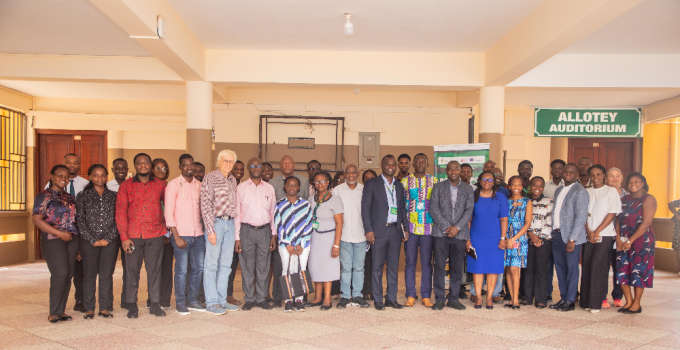
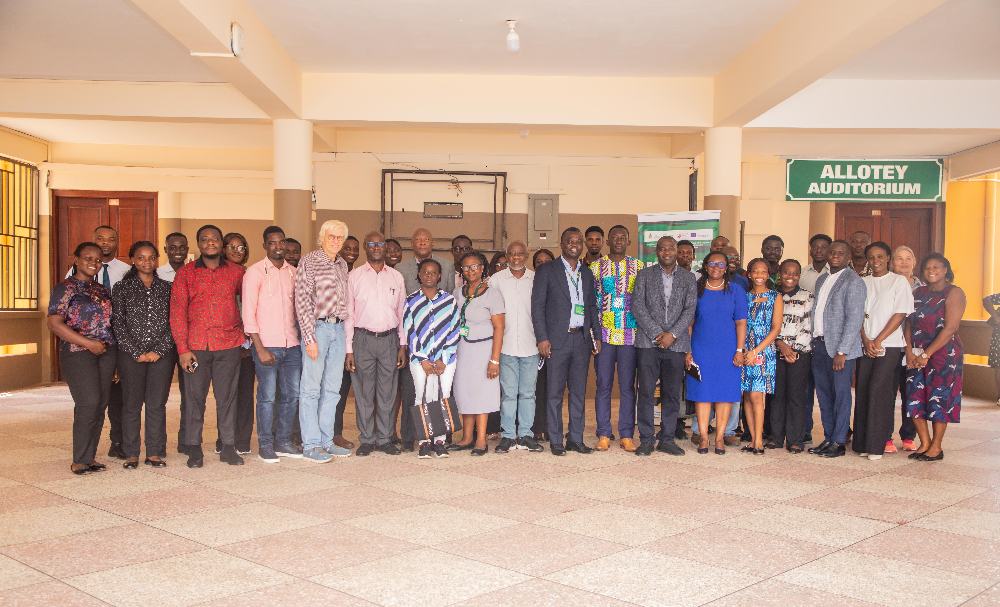
The Vector-Borne Infectious Disease Research Group (VBID-RG) in collaboration with the Faculty of Biosciences, Central Lab and the Department of Theoretical and Applied Biology, has organised a three-day workshop on Polymerase Chain Reaction (PCR) and Reverse Transcription PCR (RT-PCR).
The workshop is designed to equip participants with advanced skills in molecular biology and infectious disease diagnostics, enabling them not only to enhance their expertise but also to train others, reinforcing the broader goal of building sustainable scientific capacity.
The initiative forms part of a long-standing collaboration between KNUST and the University of Bremen in Germany.
Professor John Asiedu Larbi, Dean of the Faculty of Biosciences, speaking on behalf of the Provost, said proficiency in PCR techniques would equip researchers with the expertise and confidence required to drive meaningful scientific breakthroughs and advance research outcomes.
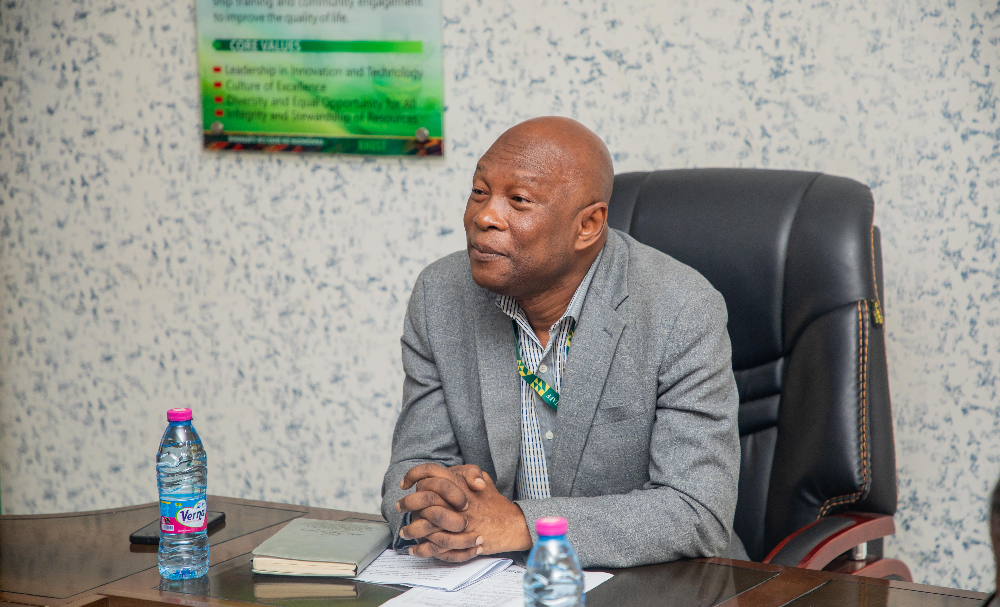
“I believe mastering PCR techniques will give researchers like you the skill and confidence needed to make significant scientific advancements,” he said.
He noted that the workshop’s uniqueness lies in its strong culture of collaboration, highlighting that the partnership between KNUST and the University of Bremen demonstrates how international cooperation can accelerate scientific progress and strengthen research capacity beyond national borders.
Prof. Larbi expressed optimism that participants would leave the workshop inspired, better prepared and empowered to broaden their impact on science and society. He also commended the organisers and international partners for the successful programme.
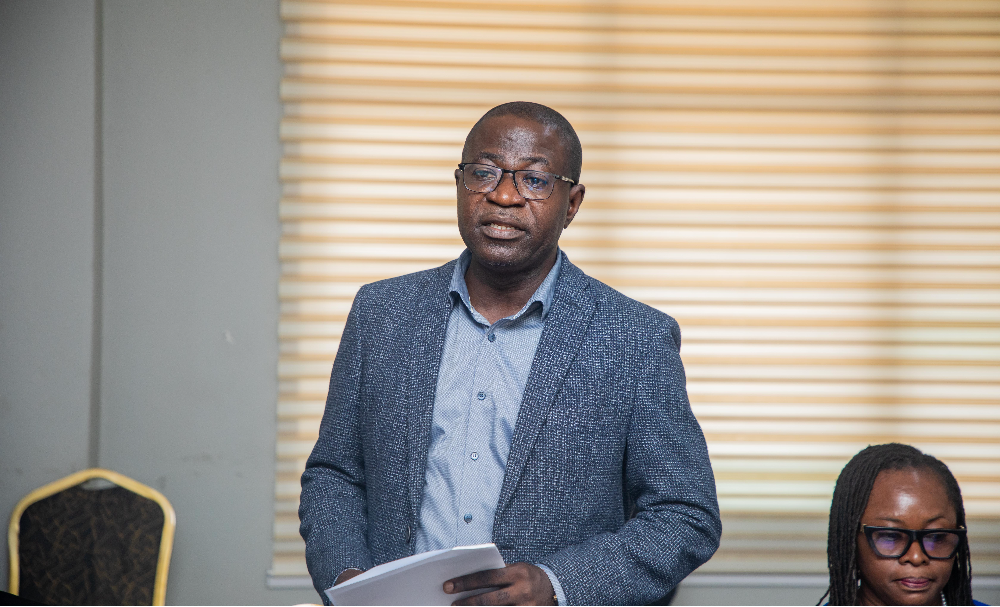
Professor Kingsley Badu, Principal Investigator and Lead of the Vector-Borne Infectious Disease Research Group, revealed plans to make the workshop an annual event, with the aim of equipping a new cohort of students each year with advanced technological skills to contribute to national scientific and developmental growth.
He stressed that the continent’s future depends on building a critical mass of researchers capable of conducting groundbreaking scientific work.
“Africa needs a critical mass hundred, even thousands of researchers who can conduct groundbreaking research,” he said.
He also highlighted the importance of empowering students, noting that many possess exceptional talent and brilliance and require only the opportunity to excel.
He stated that through the African-German Research Collaboration in Infectious Disease, supported by the German government, students from KNUST were given opportunities to travel to Germany to acquire advanced laboratory techniques.
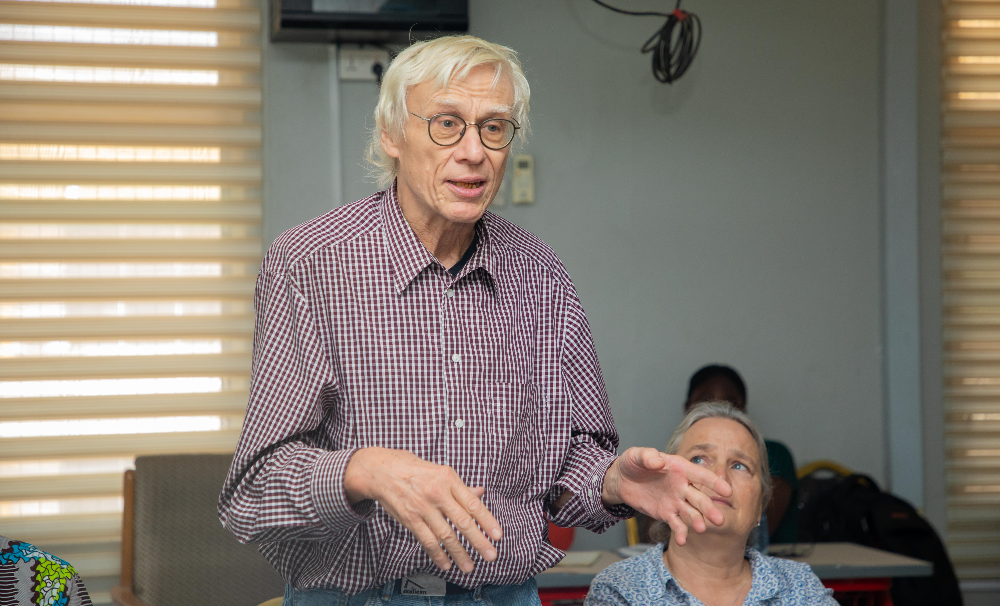
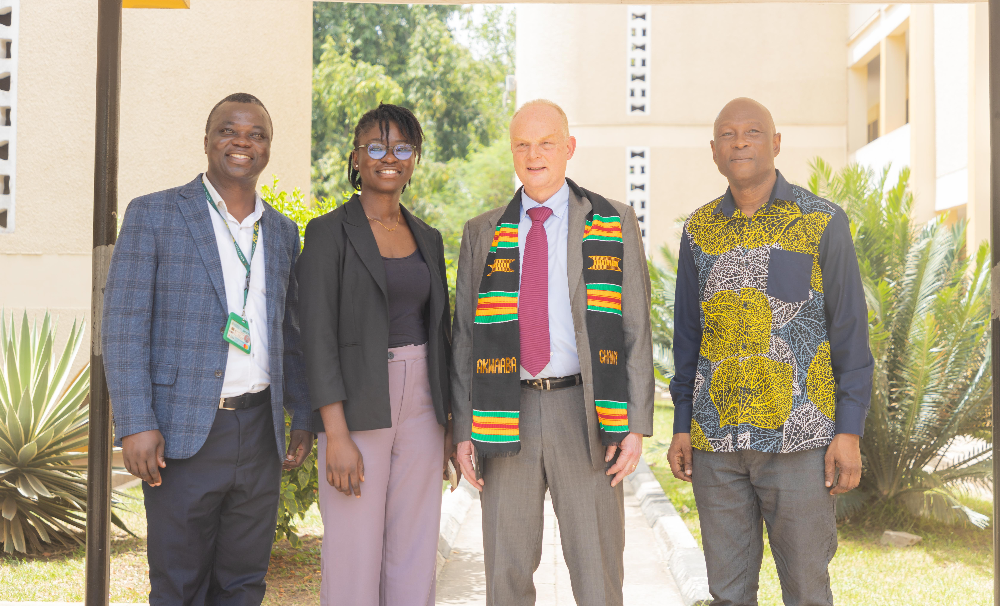
Professor Soerge Kelm, a representative from the University of Bremen, highlighted the broader impact of the partnership.
“For the University of Bremen, one of the key impacts is that it brings Africa to Germany. We need that interaction to break the barriers we have built over time. The diversity brought not only from KNUST but also from other African universities has been fundamental in opening up students, lecturers and even administrators at Bremen,” he said.
He noted that the collaboration has produced mutual benefits.
“There are significant positive effects in Bremen as well. KNUST students have always been very well prepared. You can tell that KNUST maintains a high level of traditional education, which also helped students from other African countries collaborate effectively,” he said.
He added that students from Anglophone countries such as Ghana, Nigeria and Tanzania worked alongside Francophone students from Cameroon and Chad, describing the diversity as beneficial in all directions.
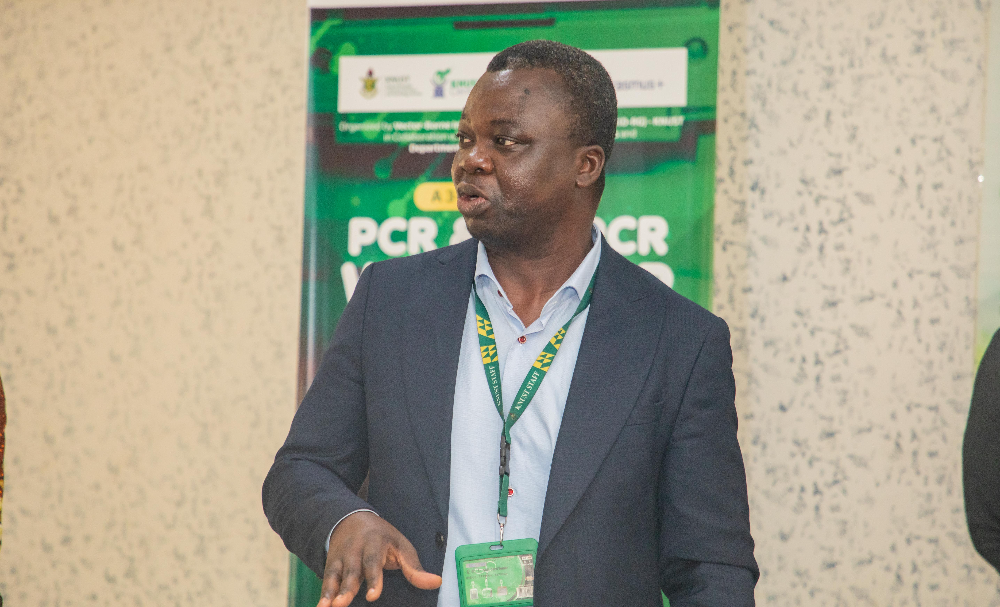
The Head of the Department of Theoretical and Applied Biology, Prof. Alexander Anning, described PCR as a vital component of student training, noting that it has become a central technique for biologists and researchers alike.
He added that PCR is applicable across major traditional fields of biology, explaining that students are trained in molecular biology and taught the principles of PCR, with the department providing hands-on experience using its own PCR machine.